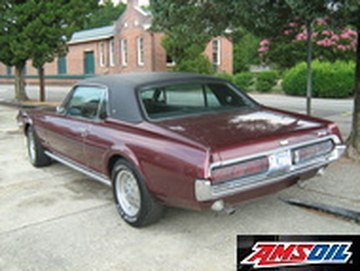
Lubrication Maintenance for the 1981 Mercury XR7 3.3L
Maintaining a vehicle from the early 1980s requires a proactive approach to fluid management and mechanical inspection. For the 1981 Mercury XR7 equipped with the 3.3L engine, consistent attention to lubrication systems is a fundamental aspect of long-term ownership. Because older engines may exhibit different sealing characteristics or material behaviors compared to modern vehicles, understanding how to monitor and respond to changes in fluid condition is essential for any owner.
Monitoring Fluid Integrity and Potential Leaks
One of the most effective ways to manage an aging engine is through regular visual inspections. Rather than waiting for a warning light or a significant drop in fluid levels, owners should periodically check the area around the engine for signs of seepage. When inspecting the 3.3L powerplant, look for any evidence of wetness or residue on various sealing surfaces and gaskets. Even small amounts of weeping can indicate that a seal is beginning to lose its effectiveness due to age or heat cycles.
It is helpful to observe the ground beneath where the vehicle is parked. Consistent spots or puddles can provide clues about the nature of a leak. If you notice fluid accumulation, it warrants further investigation to determine if it is coming from an engine component or another system. Additionally, checking the condition of hoses and connections for any signs of dampness or degradation can help prevent unexpected issues. If any components appear excessively soft, cracked, or heavily contaminated with oil, they should be evaluated for replacement.
Observing Changes in Engine Lubricant Condition
The appearance and behavior of engine oil can serve as an important indicator of the engine's internal environment. While many factors can influence the state of the lubricant, certain changes are worth noting during routine checks. If the oil appears significantly darker than usual shortly after a service, or if it exhibits a gritty texture, this may indicate that contaminants are present within the system.
Owners should also be aware of any unusual smells or smoke that might be associated with the engine's operation. For instance, an odor of burning oil can sometimes suggest that lubricant is contacting hot external surfaces. It is important to remember that many different mechanical issues can produce similar symptoms; therefore, a change in how the vehicle operates or sounds should not be used as a definitive diagnosis but rather as a prompt for a professional inspection. Monitoring for any unexpected consumption of oil between service intervals is also a practical way to gauge the health of the engine's internal seals and rings.
Prioritizing Maintenance Based on Current Condition
When managing an older vehicle like the 1981 Mercury XR7, it is often more effective to prioritize maintenance based on the actual condition of the components rather than relying solely on the age of the vehicle. If you are stepping into ownership without a complete service history, establishing a baseline is a wise first step. This involves performing a thorough inspection of all fluids and accessible mechanical parts to understand the current state of the vehicle.
If maintenance records are incomplete or unavailable, focus on addressing any active signs of wear or leakage first. Once the immediate needs are met, you can transition into a more preventive mindset. Keeping a detailed log of when oil was changed, which filters were used, and any observations made during inspections will be invaluable. This documentation helps in identifying patterns—such as whether a specific component is beginning to seep more frequently or if fluid levels are trending downward—allowing for more informed decision-making regarding future repairs.
Managing Aging Engine Components
As vehicles age, the materials used in various systems can undergo changes. For the 3.3L engine, this might include the hardening of rubber components or the gradual degradation of certain gaskets. When performing routine service, it is beneficial to inspect any accessible belts, if equipped, for signs of glazing, fraying, or cracking. Similarly, checking the condition of electrical connections and wiring for corrosion or brittleness can prevent intermittent issues.
If your vehicle has been sitting for extended periods, a more thorough inspection of all fluid-carrying components is advisable before regular use. This includes looking for signs of moisture contamination in the fluids or degradation in hoses that may have become brittle from lack of movement or temperature fluctuations. By focusing on these age-sensitive areas, you can often address minor issues before they escalate into more significant mechanical concerns.
The Role of Effective Lubrication
Engine oil performs several vital roles that are necessary for the continued operation of the 3.3L engine. Beyond simply reducing friction between moving parts, the lubricant helps to manage heat by carrying it away from high-temperature areas within the engine block. It also plays a role in cleaning the internal components by suspending microscopic particles and carrying them toward the filter.
Maintaining the correct quality of oil is essential for ensuring these functions are performed effectively. Over time, as oil undergoes thermal stress and interacts with combustion byproducts, its ability to protect the engine can diminish. This makes adhering to a consistent service routine vital. Using high-quality lubricants that meet modern standards can help provide better protection against oxidation and deposit buildup, which is particularly important for maintaining the cleanliness of internal passages.
Practical Guidance for Buying Engine Oil for your 1981 Mercury XR7 3.3L
When it is time to replenish your engine's lubricant, the most important step is to ensure that the product you select matches the specific requirements for your application. Because different engines have unique needs regarding additive packages and base oils, you should always refer to the vehicle-specific oil viscosity and application information provided on this webpage.
Before making a purchase, carefully review the product labeling to confirm it meets the appropriate API service classifications. Depending on the current condition of your engine, you may want to consider different formulations. For example, some high-mileage oil formulations contain additives intended for use in aging engines, including seal-conditioning additives that may help maintain the integrity of older gaskets. While synthetic or synthetic-blend oils can offer enhanced thermal stability and resistance to sludge, the best choice is one that aligns with the technical specifications listed in your vehicle's documentation. Always match the engine oil to the application-specific viscosity information shown above to ensure optimal performance and protection.